Creating a productive home office space is essential for anyone working remotely or managing tasks from home. A well-designed workspace can help improve focus, reduce distractions, and make your workday more enjoyable. Whether you have a dedicated room or a small corner, these tips will guide you in setting up a productive home office that fits your needs.
Choose the Right Location
The first step to a productive home office is selecting the ideal location in your home.
– Quiet Area: Look for a space that minimizes noise from household activities or street traffic.
– Natural Light: Position your desk near a window if possible. Natural light boosts mood and energy.
– Privacy: If your work requires calls or video meetings, choose a spot that offers privacy and few interruptions.
If you don’t have a separate room, consider using room dividers or screens to create a clear boundary between work and home life.
Invest in Comfortable Furniture
Comfort is key to maintaining productivity throughout the day.
– Ergonomic Chair: Choose a chair that supports your back and encourages good posture.
– Adjustable Desk: If space and budget allow, an adjustable standing desk can help reduce fatigue.
– Adequate Desk Space: Your desk should be large enough for your computer, essentials, and some room for writing or organizing papers.
Comfortable furniture lowers the risk of discomfort and improves your ability to focus.
Organize with Purpose
Organization helps reduce distractions and saves time finding important items.
– Storage Solutions: Use shelves, filing cabinets, or storage boxes to keep documents and supplies tidy.
– Declutter Regularly: Remove unnecessary items from your desk to maintain a clean and efficient space.
– Cable Management: Use clips, sleeves, or ties to keep cords neat and prevent tangling.
An organized workspace fosters a calm environment conducive to productivity.
Control Lighting and Screen Glare
Proper lighting prevents eye strain and keeps you alert.
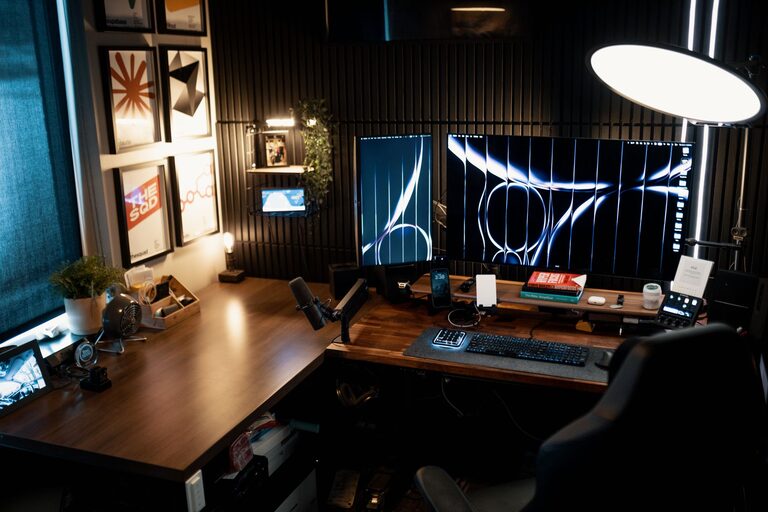
– Layered Lighting: Combine natural light, overhead lighting, and task lights like desk lamps.
– Adjustable Lamps: A lamp with adjustable brightness helps when working at night or in dim areas.
– Anti-Glare Screens: Position your monitor to avoid reflections or invest in an anti-glare screen protector.
Good lighting enhances comfort and reduces headaches related to eye fatigue.
Personalize Your Workspace
Adding elements that reflect your personality can make your workspace feel inviting and motivating.
– Plants: Small indoor plants can improve air quality and add a calming effect.
– Art and Photos: Decorate with inspiring artwork or personal photos.
– Color Choices: Use colors that help your mood and productivity, like blues and greens for calm or yellows for energy.
Personal touches make your office space a pleasant place to spend time.
Minimize Distractions
A distraction-free workspace helps maintain focus.
– Set Boundaries: Communicate your work hours to family or roommates.
– Use Headphones: Noise-canceling headphones can block out background noise and keep you in the zone.
– Limit Technology: Avoid unnecessary gadgets that may interrupt your workflow.
By controlling distractions, you create an environment that supports concentration.
Establish a Routine and Zones
Creating routines and specific zones can help you mentally separate work from relaxation.
– Work Hours: Define clear working hours to maintain balance between work and home life.
– Break Area: If space allows, designate a spot for breaks away from your desk.
– Task Zones: Divide your workspace for different activities—for example, computer work, brainstorming, or administrative tasks.
Routines and zones help improve time management and prevent burnout.
Equip Your Office with the Right Tools
Having the necessary tools readily available streamlines your work process.
– Reliable Technology: Ensure you have a fast computer, strong internet connection, and backup options.
– Office Supplies: Stock essential supplies like pens, notebooks, chargers, and printer paper.
– Software and Apps: Use productivity apps to stay organized and manage tasks efficiently.
Being well-equipped reduces interruptions and supports smooth workflows.
Maintain Cleanliness and Air Quality
A clean and fresh environment helps keep your mind clear.
– Regular Cleaning: Wipe down surfaces and vacuum to reduce dust and allergens.
– Air Circulation: Open windows when possible or use an air purifier for better air quality.
– Avoid Eating at Your Desk: This helps keep your workspace clean and separates work from meals.
Good hygiene contributes to overall well-being and productivity.
Final Thoughts
Creating a productive home office space is about blending comfort, organization, and personal preferences. Even small improvements can make a big difference in how you work and feel during the day. Start by choosing the right location and investing in ergonomic furniture, then organize thoughtfully and add personal touches. With these tips, your home office can become a space where focus and creativity thrive.

Related Posts